Field Guide
How to prepare for your first quality audit at a small shop
A plain-English walkthrough for the shop owner who just got the email — "please send us your quality documentation" — and doesn't have a binder to send. No consultant. No 60-page manual. Just the moves that actually pass an ISO 9001 or customer audit.
Where do I actually start preparing for an audit?
Here's the thing nobody tells a small shop: you are almost certainly already doing most of what an audit checks. You inspect parts. You keep material certs. You train people before you turn them loose on a machine. The problem at audit time isn't that the work is missing — it's that you can't show it on paper in under 60 seconds.
So the job before an audit isn't "build a quality system from scratch." It's "prove the system you already run." That reframe changes everything about how you spend the prep time.
Why a gap assessment beats writing a manual
A shop owner messaged me once: customer audit in 9 days, no quality manual, full panic. We didn't build a manual. We ran a gap assessment — mapped what he already did against the clauses, found 5 real holes (calibration log, training records, a documented CAPA process, supplier approval, and a process map), fixed those five. He passed.
Audit prep isn't "write everything." It's "find the gaps, fix the ones that matter." That's the entire method, and it's the difference between a stressful weekend and a lost month.
Free: the 6-clause gap-assessment worksheet I start every prep with
It walks the six areas that fail small shops most often — calibration, training records, traceability, CAPA, supplier control, and your process map — with fillable status columns. It's the honest, stripped-down version of what I use. Grab it, and I'll email you audit-prep tips as you go.
Free, no spam, unsubscribe anytime. We email the worksheet + occasional audit-prep tips. Or download it directly →
Not sure where your gaps are? Take the free 2-minute readiness assessment →
The 5 findings that actually fail small shops
| Finding | What the auditor asks | Clause |
|---|---|---|
| Calibration | "Show me this caliper's calibration record." | 7.1.5 |
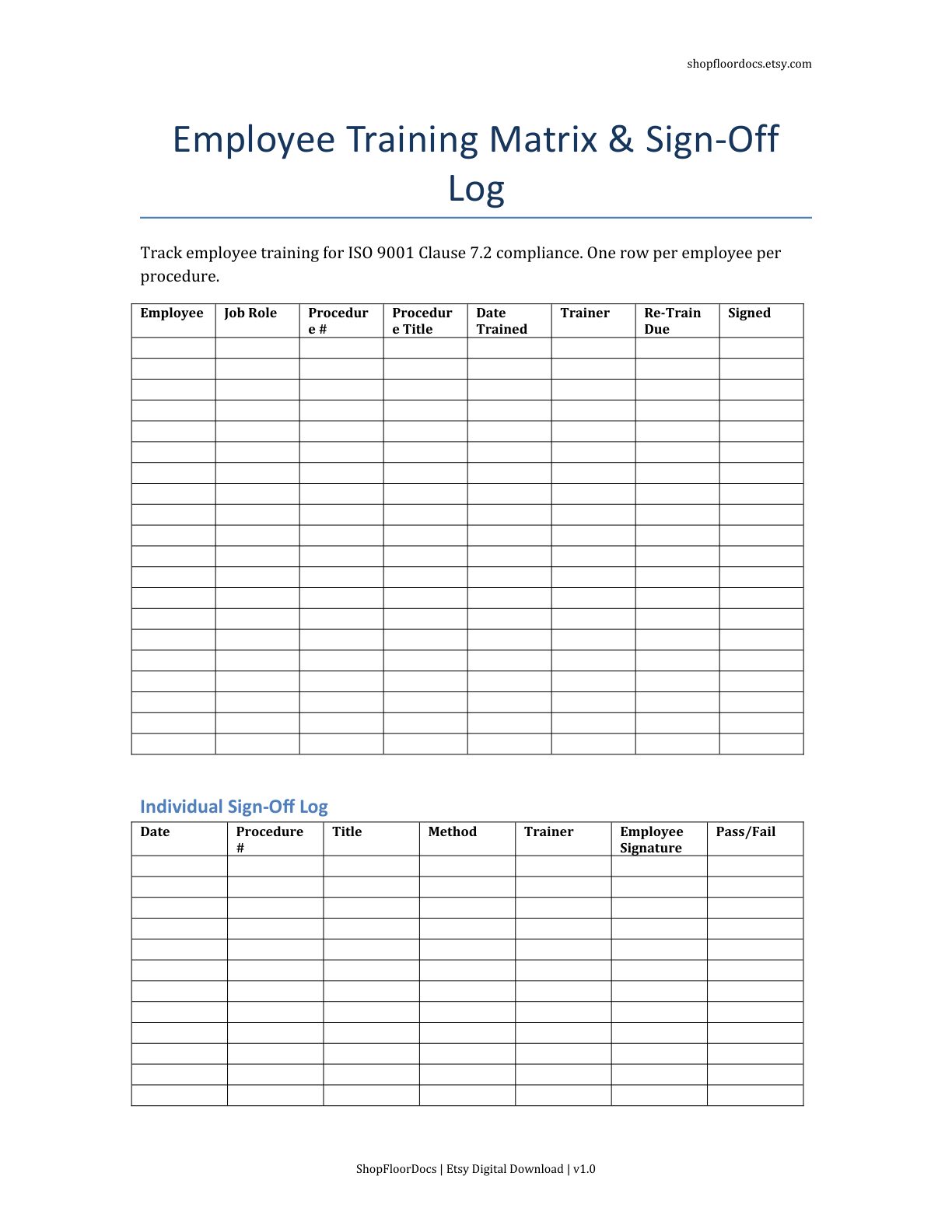
| Training | "Prove this operator is qualified to run this process." | 7.2 |
| Traceability | "Which heat lot went into this job? Who ran it?" | 8.5.2 |
| Corrective action | "A customer complained — show me what you did so it won't recur." | 10.2 |
| Supplier control | "How do you approve and monitor your suppliers?" | 8.4 |
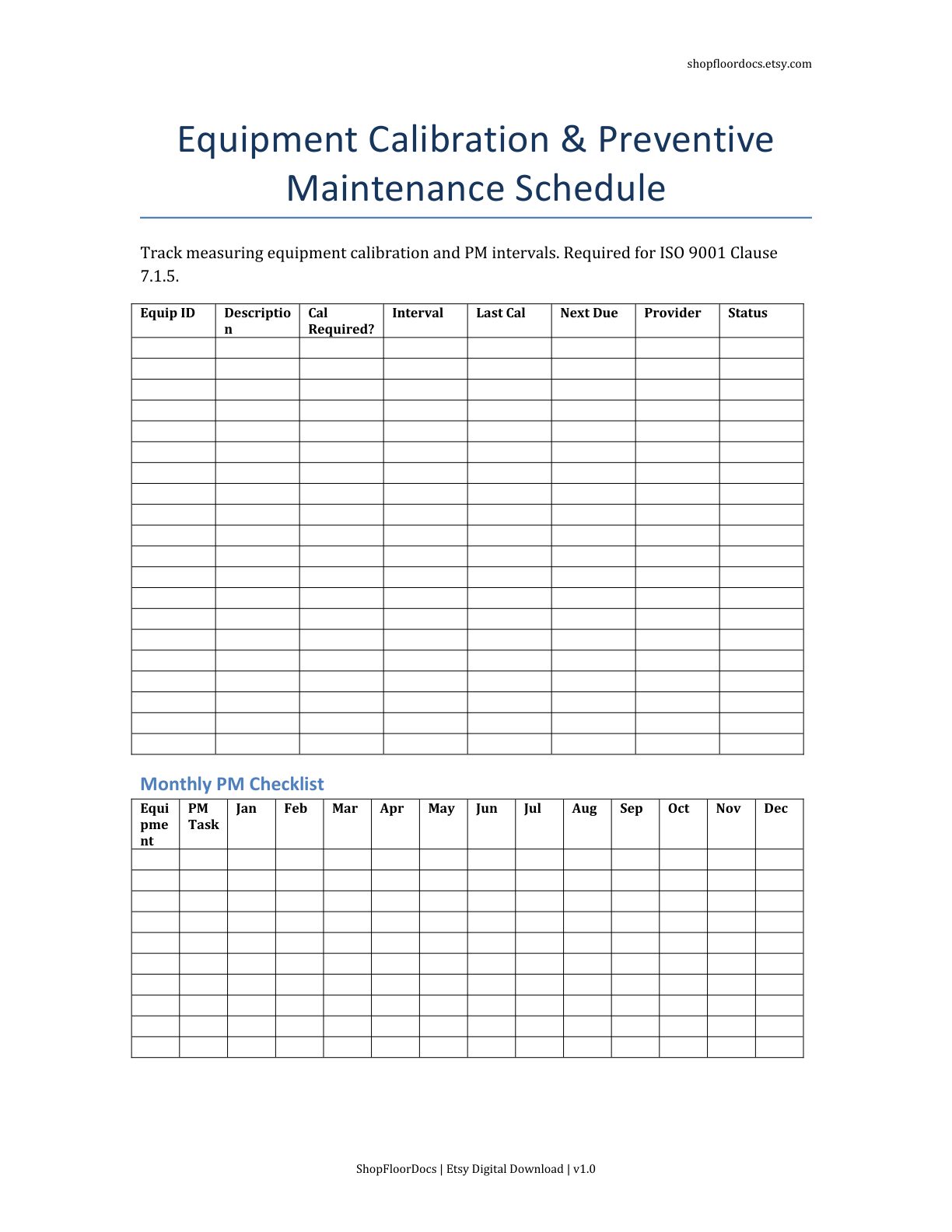
The number-one finding I see isn't a bad part — it's calibration. An auditor asks for a caliper's record and gets a shrug. It's not hard. Nobody just set up the log. If you own a shop and can't produce a calibration record in 60 seconds, that's your highest-priority weekend project.
A 30-day audit-prep plan
- Week 1 — See where you stand. Run the gap assessment against Clauses 4 through 10. Score each area red/yellow/green. Assign an owner and a date to every red. Don't fix anything yet — just get the honest map.
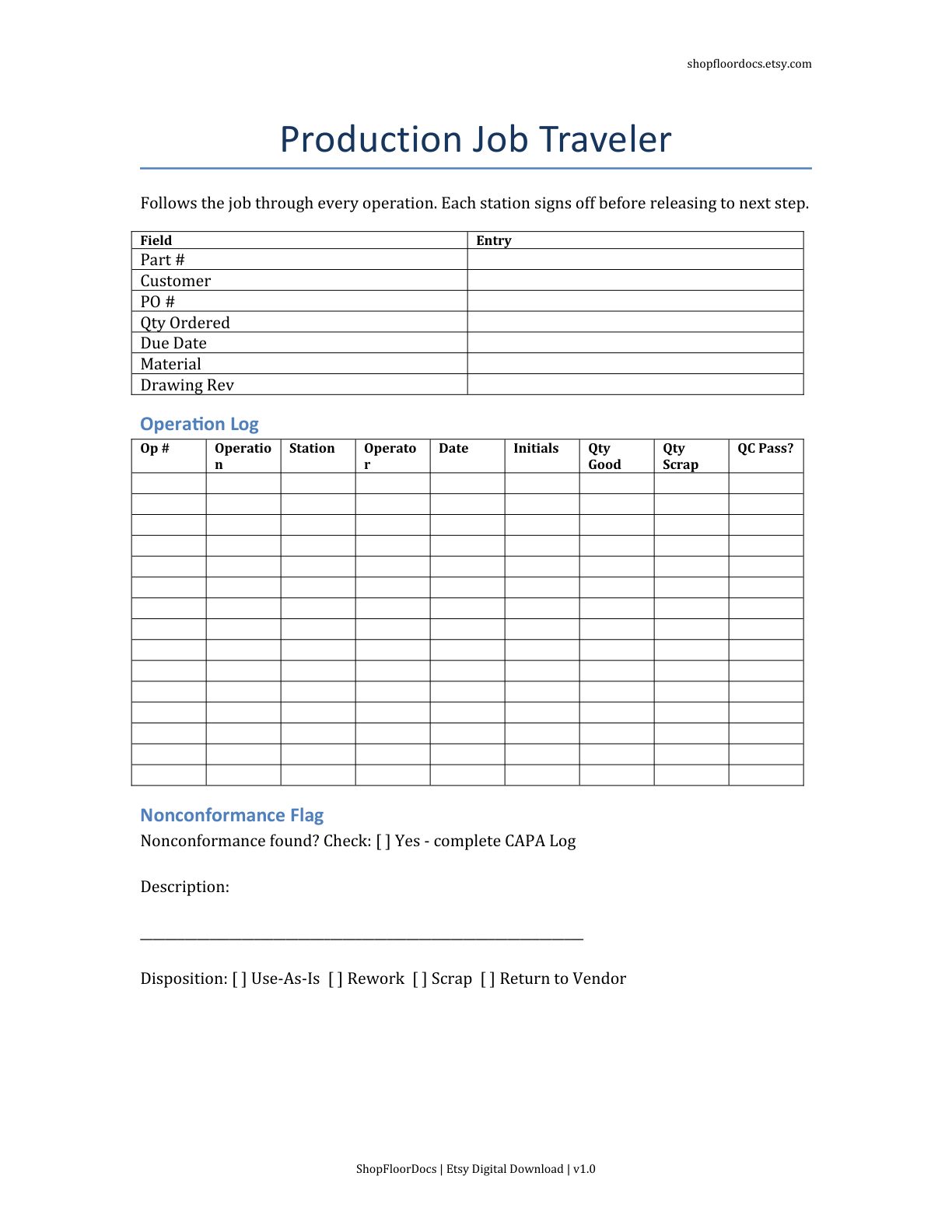
- Week 2 — Fix the records. Stand up the calibration log 7.1.5, the training matrix 7.2, and part traceability on the job traveler 8.5.2. These are the fast wins that fail the most shops.
- Week 3 — Stand up the processes. A documented corrective-action / 8D process 10.2, a receiving-inspection checklist, and a supplier approval list 8.4. Keep them one page each. Written for the floor, not to impress anyone.
- Week 4 — Dry run. Do an internal audit 9.2 and a quick management review 9.3. Find your own findings before the auditor does, and close them. That's the whole point of prep.
"We're too small for ISO 9001" — is that true?
You don't need a $5,000 consultant to start. You need four documents as the spine: an SOP, a gap assessment, a training matrix, and a CAPA log. Everything else hangs off those four. Start there.
A customer just told me I need AS9100 — what now?
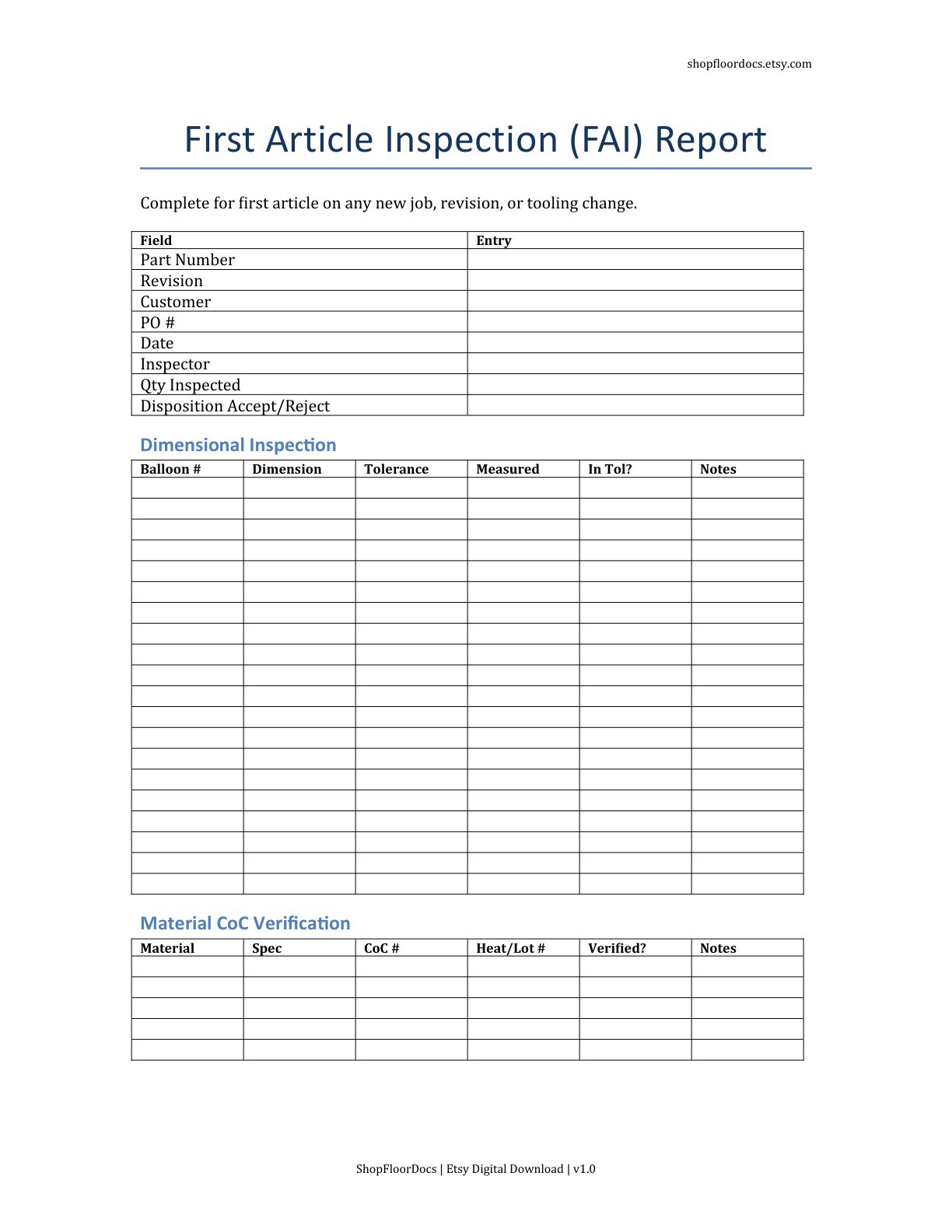
The single document a new aerospace supplier gets asked for first is the First Article Inspection report. It proves your first part off the line meets every requirement before you run production. If a customer is pushing you toward AS9100, get your FAI process and your traceability tight before anything else.
What documents do I actually need? (and where to get them)
This is the honest short list. You can build every one of these yourself in Word — or start from a template that's already laid out to the right clause and just fill in your shop's specifics. These are the editable .docx templates we use, built by a working shop, not a software company:
Every template is editable Word (.docx), instant download, commercial-use license included. Built for fabrication, machining, welding, composite, and contract-manufacturing shops.
Frequently asked questions
How long does it take to prepare for an ISO 9001 audit?
A small shop that already does the work can be audit-ready in about 30 days: one week to run a gap assessment, two weeks to stand up records and process documents, and a final week for a dry-run internal audit. Shops starting completely cold should plan for 60–90 days.
Do I need a consultant to pass an audit?
No. Consultants can speed things up, but a small shop can prepare on its own with a gap assessment and a handful of documents. The most useful spend for most shops isn't a consultant — it's a set of templates laid out to the right clauses so you're not writing from a blank page.
What is the most common ISO 9001 audit finding at small shops?
Missing calibration records (Clause 7.1.5). The work is being done, but there's no log to prove measuring equipment is in calibration. It's the fastest finding to prevent and the most common one to get written up.
What's the difference between ISO 9001 and AS9100?
AS9100 is ISO 9001 plus aerospace and defense requirements: First Article Inspection (AS9102), configuration and risk management, counterfeit-part prevention, and stricter traceability. If you have ISO 9001 in hand, AS9100 is an extension, not a restart.
Are your templates compliant with ISO 9001:2015?
They're designed to align with ISO 9001:2015 requirements and are a strong starting point for your documented system. Your registrar still reviews your completed, filled-in system — but you won't be starting from scratch.